
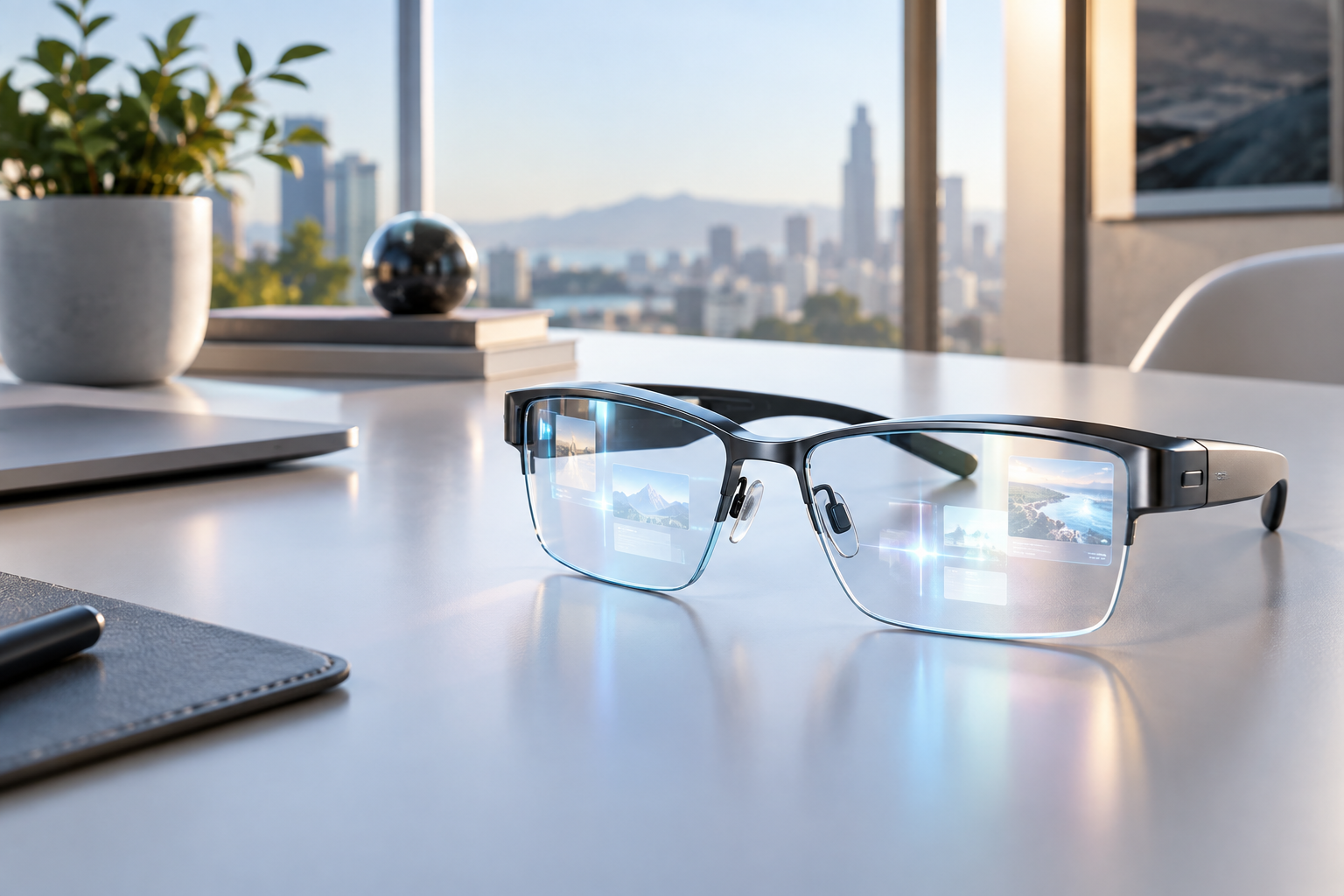
Meta's pitch at Connect 2026 was unusually consistent: the next computer may sit on your face, while an AI agent works quietly in the background. The company announced that Muse, its personal AI agent, is coming to AI glasses, introduced lightweight VR glasses, and expanded its range of audio and display eyewear.
Muse is moving from a chat window to what you see
Meta says wearers will be able to call Muse by name and ask it to act on objects in view. A product on a shelf, a poster, or a school-supplies list could become the context for a task without the wearer describing every detail. The company also outlined longer voice conversations and connectors for shopping, travel, productivity, and payments.
That shift is more significant than adding another assistant to glasses. A camera-aware agent can reduce the work of translating the physical world into a prompt. It also raises familiar privacy questions: people will need clear signals and controls for what a wearable can see, remember, and send to connected services.
The new VR glasses focus on weight
Meta describes its VR Glasses as weighing about 100 grams, roughly the weight of a deck of cards. The company is positioning them as a personal cinema, live-sports seat, game system, and private work display. It says users can turn a flat surface into a virtual keyboard and touchpad while remaining aware of their surroundings.
Media partnerships span video, sports, and 3D entertainment. Those services matter because lighter hardware alone does not create a reason to use VR every day; useful content and comfortable sessions are the real test.
Audio glasses are becoming a category of their own
Ray-Ban Meta Audio is designed around open-ear listening, calls, and hands-free AI rather than a built-in display. Meta also announced a third generation of its camera-equipped glasses, more styles, accessibility controls for audio, and hearing enhancement software planned for supported models in the United States.
What to watch next
The announcements are ambitious, but several capabilities are arriving over time and availability will vary by product and country. The important question is no longer whether glasses can run an assistant. It is whether they can do so comfortably, predictably, and with privacy controls people understand.